
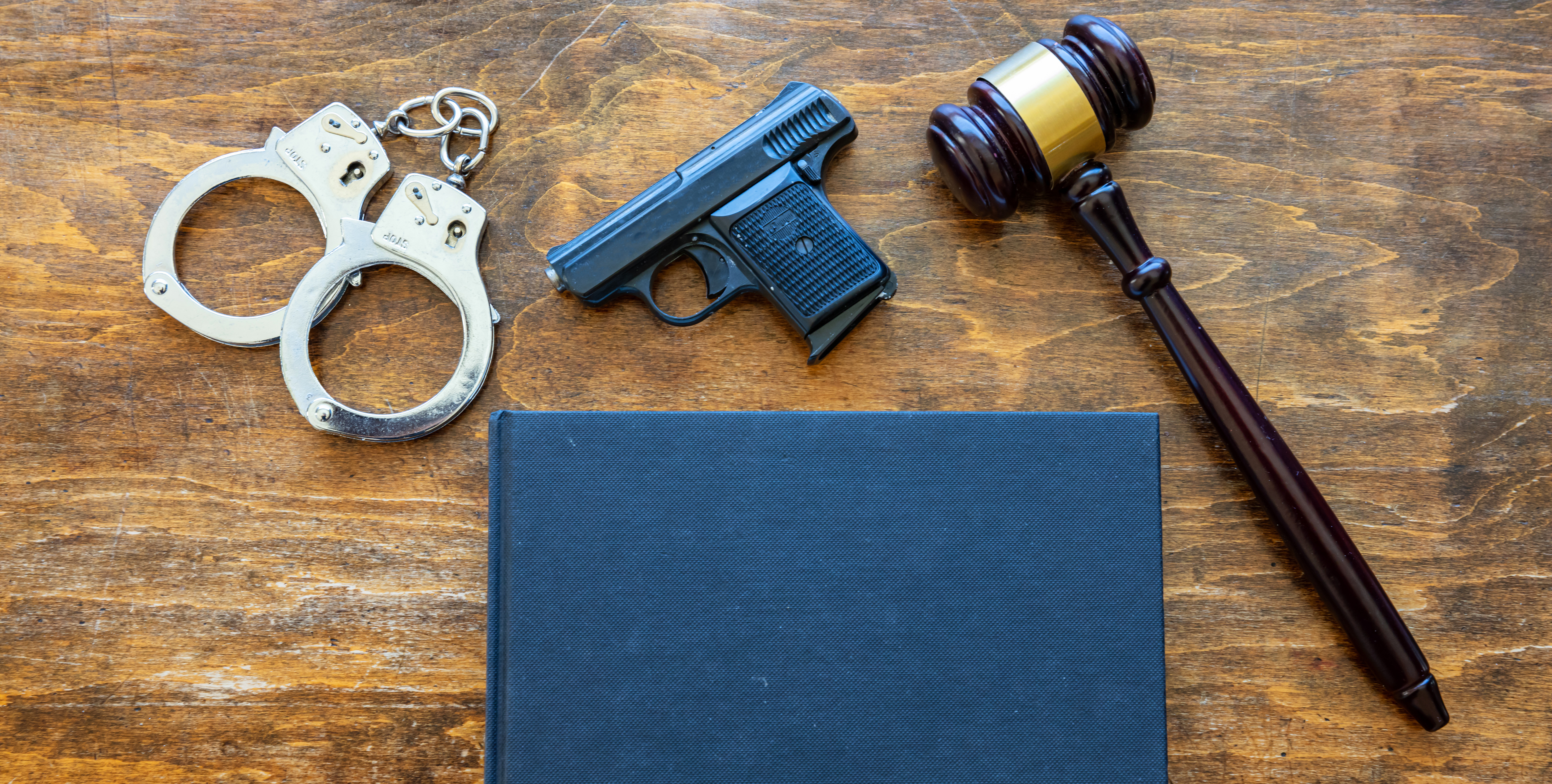
A firearm charge in Florida can feel overwhelming from the moment it happens. The laws are layered, the potential penalties are serious, and the process moves quickly. If you or someone you care about is facing Florida firearm charges in the Tampa area, understanding how the system works is a reasonable and important first step.
The questions below reflect what people most commonly want to know when they find themselves in this situation. This information is general in nature and is not a substitute for legal advice about your specific circumstances.
How Does Florida Classify Firearm Offenses?
Florida treats firearm offenses across a wide spectrum. Some charges are misdemeanors, but many are felonies, and the degree of the felony affects the potential sentence significantly. Common Florida firearm charges include unlawful possession of a firearm, carrying a concealed weapon without a license, possession of a firearm by a convicted felon, and using or displaying a firearm during the commission of another offense.
The facts of each situation matter a great deal. Who possessed the firearm, where it was found, and what was happening at the time all shape how a charge is classified and prosecuted.
What Are Florida’s Mandatory Minimum Firearm Sentences?
Florida has some of the strictest mandatory minimum firearm sentencing laws in the country. The law commonly referred to as “10-20-Life” established mandatory prison terms tied to how a firearm is used during a felony offense. Under this framework, simply possessing a firearm during certain felonies can trigger a mandatory minimum sentence, regardless of other circumstances.
A Florida mandatory minimum firearm sentence means the judge has very limited discretion — even if there are mitigating factors, the court may be required to impose the minimum term. This is one reason why having qualified legal representation matters so much in these cases. Understanding which charges carry mandatory minimums, and whether those provisions apply to the specific facts at hand, is a critical part of any defense analysis.
Can Someone Be Charged for Possession Even Without Using a Weapon?
Yes. Weapon possession defense cases often involve charges where no weapon was fired or even threatened. Simply having a firearm in certain situations — such as when you have a prior felony conviction, when the firearm is concealed without a valid permit, or when it is found during a traffic stop — can result in serious charges.
Florida law also recognizes “constructive possession,” meaning a person does not have to be physically holding a firearm to be charged with possessing it. If a firearm is found in a shared space like a vehicle or a home, multiple people may face charges depending on the circumstances.
What Happens If the Firearm Was Found During a Search?
How a firearm is discovered often becomes a central issue in the defense. The Fourth Amendment to the U.S. Constitution protects against unreasonable searches and seizures. If law enforcement searched a vehicle, home, or person without proper legal authority — meaning no valid warrant, consent, or applicable exception — the evidence gathered may be challenged.
When a court agrees that a search violated constitutional standards, it may suppress that evidence, which can significantly affect the prosecution’s case. Reviewing the legality of the search is a standard part of building a weapon possession defense strategy in Florida.
Does Having a Concealed Carry Permit Protect Against All Charges?
A valid Florida concealed weapons license does provide important legal protections, but it does not eliminate all potential charges. The permit has geographic and situational limits. Carrying in certain locations — such as schools, government buildings, or establishments that serve alcohol — is still prohibited even with a valid license.
Additionally, the permit does not apply to people who have subsequent disqualifying events, such as a felony conviction or a domestic violence injunction. If a permit has lapsed or was issued under different circumstances, that can also affect its validity as a defense.
What Should Someone Facing a Gun Charge in Tampa Do First?
The most important step is to secure legal representation as early in the process as possible. Florida firearm charges move through the court system on a timeline that doesn’t pause while someone tries to sort things out on their own. An attorney can review the police report, assess the charges, identify potential constitutional issues, and begin building a defense strategy before critical deadlines pass.
It is also worth noting that gun charges can carry collateral consequences beyond prison time — including the permanent loss of the right to possess a firearm, effects on employment, and immigration consequences for non-citizens. The Tampa expungement attorneys at Hackworth Law can also discuss whether expungement or record sealing may be an option once a case is resolved.
People sometimes face gun charges alongside other criminal matters. If drug charges are also involved, the types of drug charges a Tampa drug attorney can defend often overlap with firearm allegations, making coordinated defense especially important.
How Does the Defense Process Generally Work in Florida Firearm Cases?
After an arrest and formal charging, the defense process typically involves reviewing discovery materials — the evidence the prosecution intends to use — filing any appropriate pretrial motions, negotiating with the prosecutor, and preparing for trial if the case does not resolve beforehand.
Pretrial motions are often a significant part of gun crime defense in Florida. Motions to suppress evidence, motions to dismiss, and challenges to the sufficiency of the charges can all affect how a case proceeds. Not every case goes to trial, and not every case should — understanding all available options is part of what experienced defense counsel provides.
Hackworth Law represents clients across the Tampa, FL area on criminal defense matters, including firearm charges at various levels of severity. Each case presents its own facts, and the defense approach should reflect that.
Are Juvenile Firearm Cases Handled Differently?
Florida has specific provisions for juveniles charged with firearm offenses, and the consequences can still be serious. In some cases involving firearms, a juvenile can be tried as an adult. If a young person in your family is facing charges, it is worth understanding how the juvenile criminal defense process differs from adult court and what protections may apply.
Frequently Asked Questions
What is the difference between actual and constructive possession of a firearm in Florida?
Actual possession means the firearm was physically on the person at the time of the charge. Constructive possession means the person had knowledge of the firearm and the ability to control it, even without physically holding it. Both forms of possession can support a charge under Florida law, and constructive possession cases often turn on questions of knowledge and access.
Can a firearm charge in Florida affect my civil rights?
Yes. A felony firearm conviction in Florida can result in the permanent loss of the right to own or possess a firearm, the right to vote (until civil rights are restored), and eligibility for certain types of employment or professional licensing. These collateral consequences make it important to understand the full scope of what a conviction could mean beyond the immediate sentence.
Is it possible to have a firearm charge reduced or dismissed in Florida?
It depends on the specific facts and applicable law. Some charges may be reduced through negotiation, particularly when there are weaknesses in the prosecution’s evidence or valid constitutional issues with the search and seizure. Dismissal is possible in some circumstances. No outcome can be promised, but a thorough review of the case is the starting point for understanding what options may exist.
How do mandatory minimum sentences affect plea negotiations in Florida firearm cases?
Mandatory minimums limit how much flexibility a judge has at sentencing, but they can still factor into negotiations between defense counsel and the prosecution. Prosecutors have some discretion in how they charge a case, which can affect whether a mandatory minimum applies. This is one of the more complex areas of Florida firearm law and requires careful legal analysis.
Does Florida’s Stand Your Ground law ever apply to firearm charges?
Florida’s Stand Your Ground statute may be relevant in cases involving self-defense claims. If a person used a firearm in response to a perceived threat and had a legal right to be in the location where the incident occurred, Stand Your Ground may provide a defense. Whether it applies depends heavily on the specific facts and requires a detailed legal evaluation of the circumstances.
What should I look for when choosing a Tampa gun crime attorney?
Look for a criminal defense attorney who is familiar with Florida’s specific firearm statutes, the local court system in the Tampa area, and the procedural steps involved in these cases. The ability to review evidence carefully, identify constitutional issues, and communicate clearly about your options matters significantly. Meeting with an attorney before making a decision is a reasonable starting point.
If you are facing Florida firearm charges and have questions about your situation, the team at Hackworth Law is available to speak with you. Contact our Tampa, FL office at 813.280.2911 to schedule a consultation and discuss where things stand.