
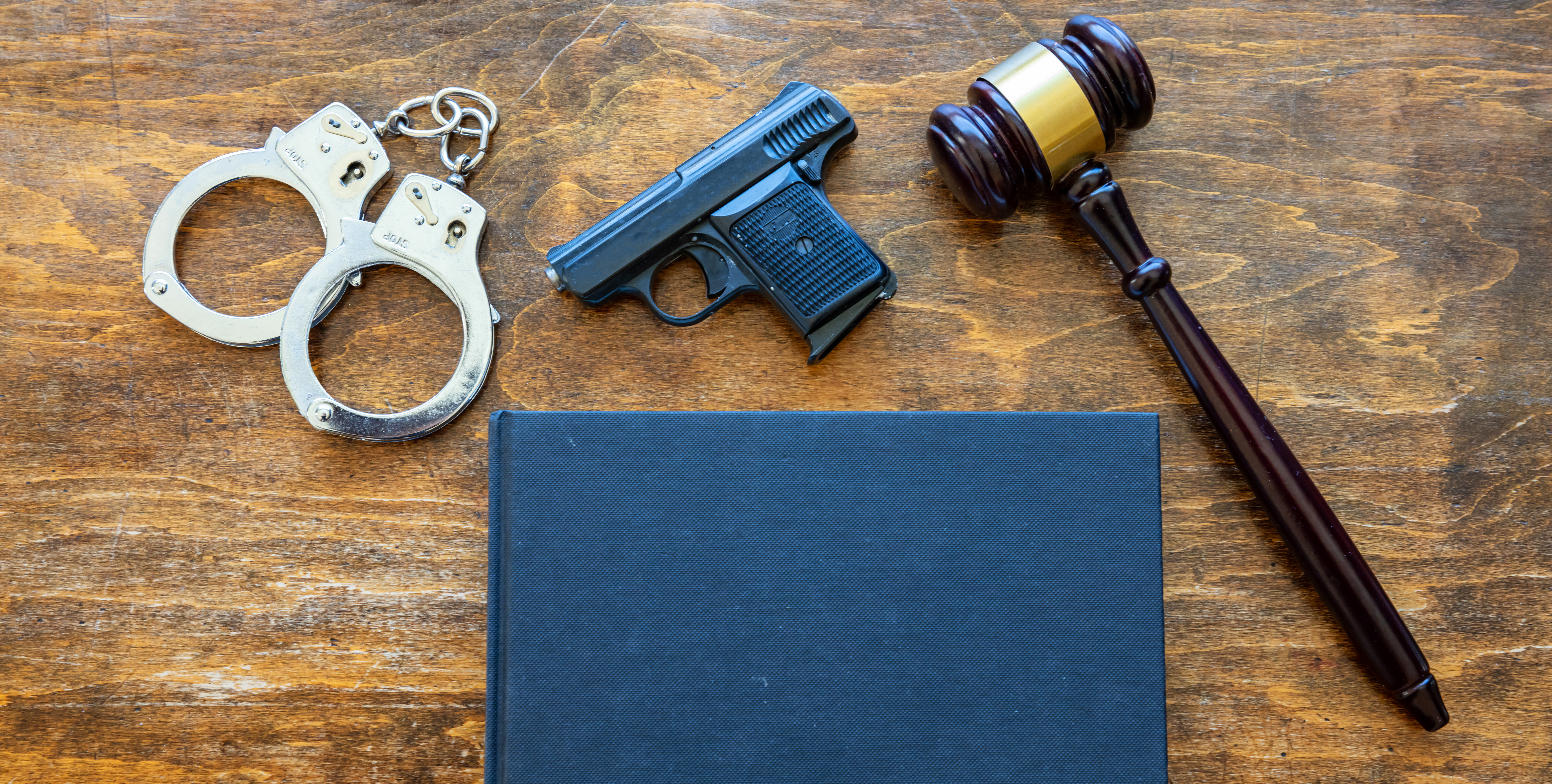
A firearms charge in Florida is serious. Whether you were stopped during a traffic check, arrested at a public venue, or charged following an altercation, a weapons offense Florida courts handle can carry steep penalties — including mandatory minimum sentences in some cases. The steps you take in the days and weeks following an arrest can matter enormously to your defense.
This checklist is designed to help people facing a gun charge in Tampa, FL, and across the broader Central Florida region, get organized before meeting with a criminal defense attorney. It is not a substitute for legal counsel. Every situation is different, and only your attorney can advise you on the specific facts of your case.
Why Preparation Matters in Gun Crime Defense
Florida has some of the most detailed firearms laws in the country. Charges can range from improper exhibition of a firearm to unlawful possession by a prohibited person. Some firearms charge Florida statutes carry mandatory minimums under the 10-20-Life law. Others hinge entirely on whether a search or seizure was conducted lawfully.
Coming to your first attorney meeting organized and informed helps your defense team understand your situation faster and pursue the right strategy sooner. The earlier you start gathering information, the better positioned you are. Use the checklist below as a starting point.
Gun Charge Defense Checklist
Step 1 — Secure a Copy of Your Charging Documents
- Obtain the arrest report or citation as soon as it is available.
- Write down the exact charges listed, including Florida statute numbers if shown.
- Note your arraignment date and any other scheduled court appearances.
- Keep all paperwork in one folder — physical or digital — and do not discard anything.
Step 2 — Document Everything You Remember
- Write down your recollection of the events leading up to and during the arrest as soon as possible, while details are fresh.
- Note the time, location, and general circumstances.
- Record the names and badge numbers of any officers involved, if you have them.
- Note whether any other people were present and whether you know how to reach them.
- Do not share this written account with anyone except your attorney.
Step 3 — Preserve Physical and Digital Evidence
- Do not delete any photos, videos, or messages that may be relevant — even if you believe they help or hurt your case. Your attorney needs to see the full picture.
- If there is surveillance footage at or near the location of the incident, note where those cameras are. Footage can be overwritten quickly, and your attorney may need to act fast to preserve it.
- Save any text messages or social media posts connected to the events surrounding the charge.
- Photograph any relevant physical locations before conditions change.
Step 4 — Gather Your Firearms Documentation
- Locate your concealed carry permit if you have one, and confirm whether it was current at the time of the incident.
- Gather any purchase receipts, transfer records, or registration documents for the firearm in question.
- Note the make, model, and serial number of the weapon involved if you know it.
- Gather any training certificates related to firearms ownership or use.
Step 5 — Compile Your Personal Background Information
- Pull together your identification documents: driver’s license, state ID, and any military records if applicable.
- Note any prior criminal history — your attorney will need to know this to advise you accurately. Florida law treats prior convictions very differently when it comes to weapons offenses.
- Gather employment records or other documentation that may be relevant to establishing your character or circumstances.
- If you are active military or a veteran, gather relevant service documentation, as this can sometimes be a factor in criminal defense preparation.
Step 6 — Identify and Preserve Witness Information
- List anyone who was present and may have seen what happened.
- Collect their contact information and keep it secure.
- Do not coach or rehearse what witnesses should say. Your role is simply to identify and provide that information to your attorney.
Step 7 — Avoid Common Missteps Before Your First Meeting
- Do not discuss the details of your case on social media or in text messages.
- Do not attempt to contact witnesses on your own to coordinate statements.
- Do not attempt to retrieve or handle the firearm involved if it has been taken into evidence.
- If you have questions about conditions of your release or bail, direct them to your attorney rather than attempting to interpret them yourself.
Understanding the Landscape of Firearms Charges in Florida
Gun crime defense in Tampa, FL covers a wide range of situations. A person may be charged with carrying a concealed weapon without a permit, possessing a firearm as a convicted felon, or having a firearm in a school safety zone, among many other offenses. The facts and circumstances surrounding each charge vary significantly.
Some charges involve questions of constitutional law — for example, whether law enforcement had the legal authority to search a vehicle or person. Others turn on documentation issues, such as whether a permit was valid at the time. Understanding which issues apply to your case is exactly why qualified legal representation is so important in a weapons offense Florida case.
Florida also intersects gun charges with other areas of law. If a firearms charge arises from a domestic situation, for instance, it may connect to restraining orders or other family law proceedings. The Hackworth Law team handles criminal defense alongside family law matters, which can be important when charges and civil proceedings overlap.
Similarly, if you have prior charges on your record and are concerned about long-term consequences, it may be worth exploring whether expungement or record sealing could apply to older matters — a question your attorney can address in the broader context of your situation.
If drug charges are also part of your case, understanding how Florida handles related offenses is equally important. You can learn more about the types of drug charges a Tampa defense attorney can address, since firearms and drug charges are sometimes filed together.
What to Bring to Your First Attorney Meeting
Once you have worked through the checklist above, bring the following to your initial consultation:
- All charging documents and court notices
- Your written account of events (kept private until that meeting)
- Firearms documentation and permits
- Witness contact information
- Any relevant personal background documents
- A list of questions you want answered
Being organized does not just help your attorney — it helps you feel more grounded in a stressful process. Criminal defense preparation is as much about clarity as it is about paperwork.
Other Charges? Preparation Principles Apply Broadly
The same principles of documentation, organization, and early action apply to other criminal matters. If you or someone you know is also dealing with a DUI, it may be helpful to review what a DUI lawyer in Tampa can do for you. And if a charge involves a younger individual, the juvenile criminal defense process in Tampa has its own distinct procedures worth understanding early.
Hackworth Law serves clients across Tampa, FL and the surrounding region in criminal defense, family law, and personal injury matters. The firm’s approach is grounded in clear communication and thorough preparation — starting from the very first conversation.
If you are facing a firearms charge and want to understand your options, call 813.280.2911 to speak with someone at Hackworth Law. There is no obligation in that first conversation, and getting informed early is always the right move.
Frequently Asked Questions
What is the difference between a misdemeanor and a felony gun charge in Florida?
Florida classifies firearms offenses across both categories depending on the specific conduct involved. Carrying a concealed firearm without a permit, for example, is typically a felony. Lesser offenses, such as improper exhibition without aggravating factors, may be misdemeanors. The distinction matters significantly because felony convictions carry longer potential sentences and lasting consequences for civil rights, including future firearm ownership.
Can a first-time offender face mandatory prison time on a gun charge in Florida?
Yes, in some circumstances. Florida’s 10-20-Life sentencing structure imposes mandatory minimum prison terms when a firearm is used or displayed during certain crimes — regardless of whether the person has a prior record. This is one reason early and thorough criminal defense preparation is so important. Your attorney can explain how mandatory minimums may or may not apply to your specific charges.
Does having a concealed carry permit automatically protect me from a firearms charge?
Not necessarily. A valid Florida concealed carry permit provides legal authority to carry in permitted locations and circumstances, but it does not protect against all weapons-related charges. Carrying in a prohibited location, having an expired permit, or using a firearm unlawfully can still result in criminal charges even for permit holders. Your attorney can assess whether your permit status is relevant to your defense.
What happens at an arraignment for a gun charge in Tampa?
An arraignment is a formal court proceeding where you are officially informed of the charges against you and asked to enter a plea. It is generally not the place where the substance of your defense is argued. Having an attorney present at arraignment is strongly advisable, as decisions made at that stage — including bail conditions and initial pleas — can affect the rest of your case.
Can a gun charge affect my ability to own firearms in the future?
Yes. A felony conviction under Florida or federal law generally prohibits a person from lawfully possessing firearms going forward. Even certain misdemeanor domestic violence convictions carry federal firearm restrictions. This is a significant long-term consequence that underscores why a thoughtful defense strategy matters from the very beginning of a firearms charge Florida case.
Should I talk to police or investigators about my gun charge before meeting with an attorney?
You have a constitutional right to remain silent and to have an attorney present during questioning. Exercising that right is not an admission of guilt — it is a standard and legally protected choice. Statements made without legal counsel can complicate a defense, even when made with good intentions. Consulting with a criminal defense attorney before speaking with investigators is widely considered the prudent course of action.